This CEO Borrows Leadership Strategy From Dungeons & Dragons: Set Guardrails, Not Routes

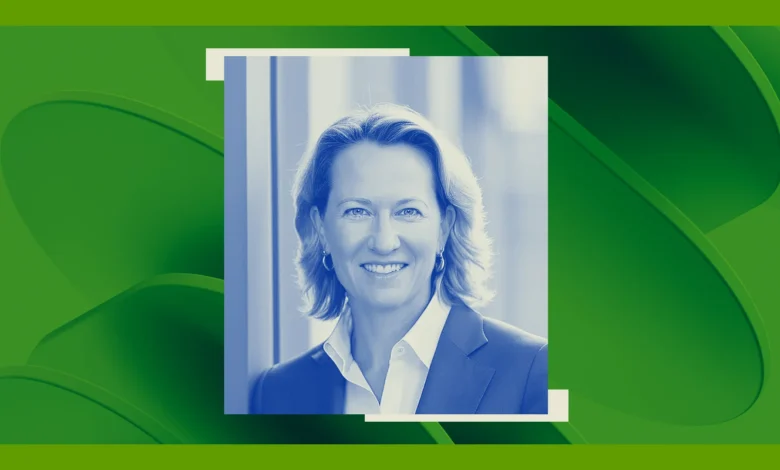
Designit CEO Keri Dawson says the same skills that make a great Dungeon Master also make a great business leader.
EXPERT OPINION BY DAN SCHAWBEL, MANAGING PARTNER OF WORKPLACE INTELLIGENCE

Keri Dawson. Photos: Courtesy Designit; Adobe Stock
Keri Dawson has spent decades leading teams, first in the energy sector and now as CEO of Designit, Wipro’s global strategic design and experience innovation consultancy. She has also spent decades running Dungeons & Dragons campaigns, and draws direct parallels between D&D and her professional leadership style.
Her central idea comes from the tabletop role-playing game’s most demanding job: the Dungeon Master (or DM), the person who builds the world, sets the rules, and then must adapt when the players inevitably do something nobody expected.
The role of a DM isn’t to control
“The role of a DM isn’t to control the outcome, you create the conditions, set some boundaries, and keep the game moving,” Dawson says to Inc. “I think the past six or seven years have shattered any illusion that we can actually control the world around us.”
She points to an early lesson from her time in the energy sector, where she led a program building predictive analytics for offshore oil rigs. The team’s lab models kept failing in the field because of weather delays, spotty satellite connections, and other real-world data problems.
Refreshed leadership advice from CEO Stephanie Mehta
An Inc.com Featured Presentation
“I wasn’t the engineer or data scientist in the room, and pretending I knew the answer would have helped no one,” she says. Instead of prescribing a fix, she told the team to stop trying to replicate the lab solution and asked the people closest to the problem to think differently about how to solve it. They came back with a three-dimensional approach to the data that worked in the field.
That’s leadership to me: be clear about
“That’s leadership to me: be clear about the outcome and guardrails, but don’t assume that means you should prescribe the route,” she says. “Give smart people the space to solve the problem in front of them.”
When players go off-script
Good DMs also expect players to do unexpected things, and Dawson says leaders should anticipate the same from their teams. “Humans don’t follow scripts, by definition,” she says. “People going off-script isn’t the occasional leadership problem, it’s basically every day at work.”
Source: www.inc.com